
Why Small Foot Injuries Should Never Be Overlooked—Especially for People with Diabetes
A small cut, blister, or sore on your foot may seem like a minor issue. You might think it will heal on its own with a little break and simple first aid. However, for people living with diabetes, even a small wound can lead to more serious problems.
Diabetes can reduce or slow down blood flow and also affect the nerves in your feet, making it harder to notice problems and injuries. Diabetes also slows down the healing process because the nerves are longest down in the feet and because blood flow has the farthest distance to travel from the heart. This is one reason blood flow and nerves create issues with healing when it comes to diabetic wounds. Knowing what to watch for and when to see a healthcare provider can help protect your feet and lower the chance of complications.
At Denton Podiatry, Dr. David Barber, DPM, offers tailored care for foot and ankle issues and foot wounds. He has also worked with some of the most world-renowned wound care doctors during his training. Here’s what you need to know about caring for your feet and knowing when a wound needs attention.
How Diabetes Affects the Healing of Foot Wounds
Diabetes can impact foot health in several ways.
Reduced Sensation: Diabetic peripheral neuropathy can lower your ability to feel heat, pain, pressure, or minor injuries. You might not be aware of a blister. You may not even be aware of an injury or wound.
Circulation Problems: Diabetes, which is essentially increased sugars, causes low-grade irritation to the blood vessels over time. This leads to damage in the blood vessels and can reduce blood flow to the feet. Reduced blood flow slows the healing of a wound and makes it harder for the body to fight off infection.
Increased Risk of Complications: The longer a wound stays open, the more risk it runs of getting infected. Diabetic wounds heal slower, so they carry a higher risk of infection issues. If an infection gets bad enough, it can infect the bone, which makes the situation much more complex.
These issues highlight the importance of regular foot checks and the urgency of acting quickly if something happens.
Warning Signs That Should Never Be Ignored
- A cut, scrape, open sore, or blister that doesn’t start to heal.
- Redness, warmth, swelling, or tenderness around the injury.
- Drainage, an unusual smell, pus, or changes in the skin near the wound.
- Darkened skin, a wound, or discolored tissue that seems to be getting bigger.
- New swelling or a change in the shape or temperature of your foot.
Just because you don’t have pain doesn’t mean there’s no problem. Neuropathy can mask and hide a lot of issues, and serious complications—including amputations—often happen simply because the wound can’t be felt and gets ignored. If people could feel the pain that comes with these wounds, far fewer of them would turn into major problems.
If you have diabetes and find an open wound, reach out to a healthcare provider instead of waiting.
What to Do If You Find a Foot Wound
Taking the right steps early can help prevent further harm.
- Carefully examine the area. Look for breaks in the skin, blisters, redness, swelling, or drainage. Use a mirror if you can’t see the bottom of your feet easily.
- Protect the wound. For minor injuries, gently rinse it with clean water and cover it with a sterile, non-stick dressing. Do not use harsh chemicals such as hydrogen peroxide unless instructed. Betadine on the wound is a great way to help prevent infection and keep things clean. Avoid putting pressure on the area if you can help it.
- Avoid pressure on the area. Pressure and friction can make a wound worse. Take pressure off of it whenever possible and follow your healthcare provider’s advice on protecting the foot.
- Arrange for a professional evaluation. If you have diabetes and an open wound, do not wait for it to heal on its own. A podiatrist can assess the wound, check circulation issues or signs of infection, and recommend the right treatment.
- Follow the treatment plan. Wound care may involve appropriate dressings, infection treatment, pressure relief if needed, and assessment of blood flow. The best approach depends on the location, depth, cause, and overall health of the person with the wound.
Can Diabetic Foot Wounds Be Prevented?
The majority of them can be prevented, but not all. That’s why it’s important to have a relationship with a podiatrist if you have a history of wounds. That way you can stay evaluated, stay on the radar, and have active monitoring to help prevent long-term issues and keep your feet healthy for the long term.
- Check your feet every day. Look at the tops, bottoms, and between your toes.
- Wear shoes that fit well and do not rub or pinch.
- Always wear shoes and avoid walking barefoot, especially outside.
- Keep your skin in good condition. Use moisturizer on dry areas, but avoid applying it between your toes where too much moisture can build up.
- Have regular foot check-ups, especially if you are at high risk or have had wounds in the past.
- Manage your diabetes. Work with your healthcare team to control blood sugar levels and other health factors that affect foot health.
Prevention is even more important if you have had a foot ulcer, an amputation, or major nerve or blood flow issues.
What to Expect from a Podiatry Wound Evaluation
A foot injury may appear minor at first, but its cause and how serious it is might not be clear. The primary goal with a wound evaluation is to evaluate and find the cause of the problem and to address that main cause. If the wound has to do with circulation, the focus is on circulation. If the wound has to do with pressure, the focus is on pressure. If the wound has to do with being too wet or too dry or there’s swelling in the legs, that is addressed as well.
During the evaluation, a podiatrist will look at the size, location, depth, and surrounding tissue of the wound. Based on your symptoms and medical background, they may also check your circulation, feeling, and signs of infection. Treatment is tailored to each person and may involve wound dressings, reducing pressure, removing damaged tissue by a trained professional when needed, additional tests, or working with other doctors.
For patients who find it hard to travel due to mobility issues or other health problems, in-home wound care may be an option when it is medically suitable. The aim is to help the wound heal, deal with any underlying issues, and lower the risk of serious problems.
Protect Your Foot Health with Early Attention
A small foot injury can become a major health issue if diabetes affects your feeling, blood flow, or ability to heal. The good news is that regular foot checks, preventive care, suitable footwear, and prompt professional evaluation can make a real difference.
If you have diabetes and notice a new wound on your foot, don’t ignore it. Monitor it, and if it doesn’t heal or doesn’t act correctly, get professional help.
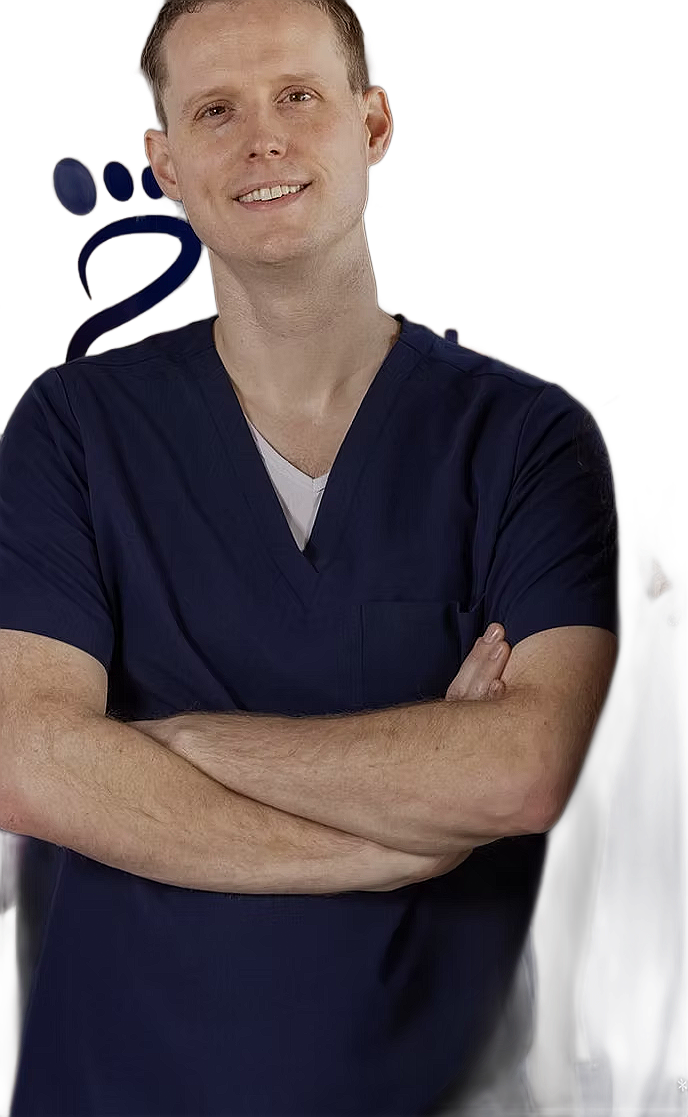
Dr. David J. Barber, DPM
Dr. David J. Barber is a board-certified podiatrist (American Board of Podiatric Medicine) and the owner of Denton Podiatry in Denton, Texas. After training in surgery for three years in Brooklyn, New York — including advanced wound care and limb preservation under nationally recognized specialists — he brought that expertise home to North Texas. Dr. Barber is known for honest, evidence-based care, treating everything from everyday heel and nail problems to bunions, minimally invasive foot surgery, and complex, hard-to-heal wounds — including in-home mobile wound care across Denton County and Cooke County.