
SERVICES · PLANTAR FASCIITIS
Plantar fasciitis treatment in Denton, TX
That sharp, stabbing heel pain with your first steps in the morning is often plantar fasciitis. Denton podiatrist Dr. David J. Barber, DPM helps you find relief and keep it from coming back — and most cases improve without surgery.
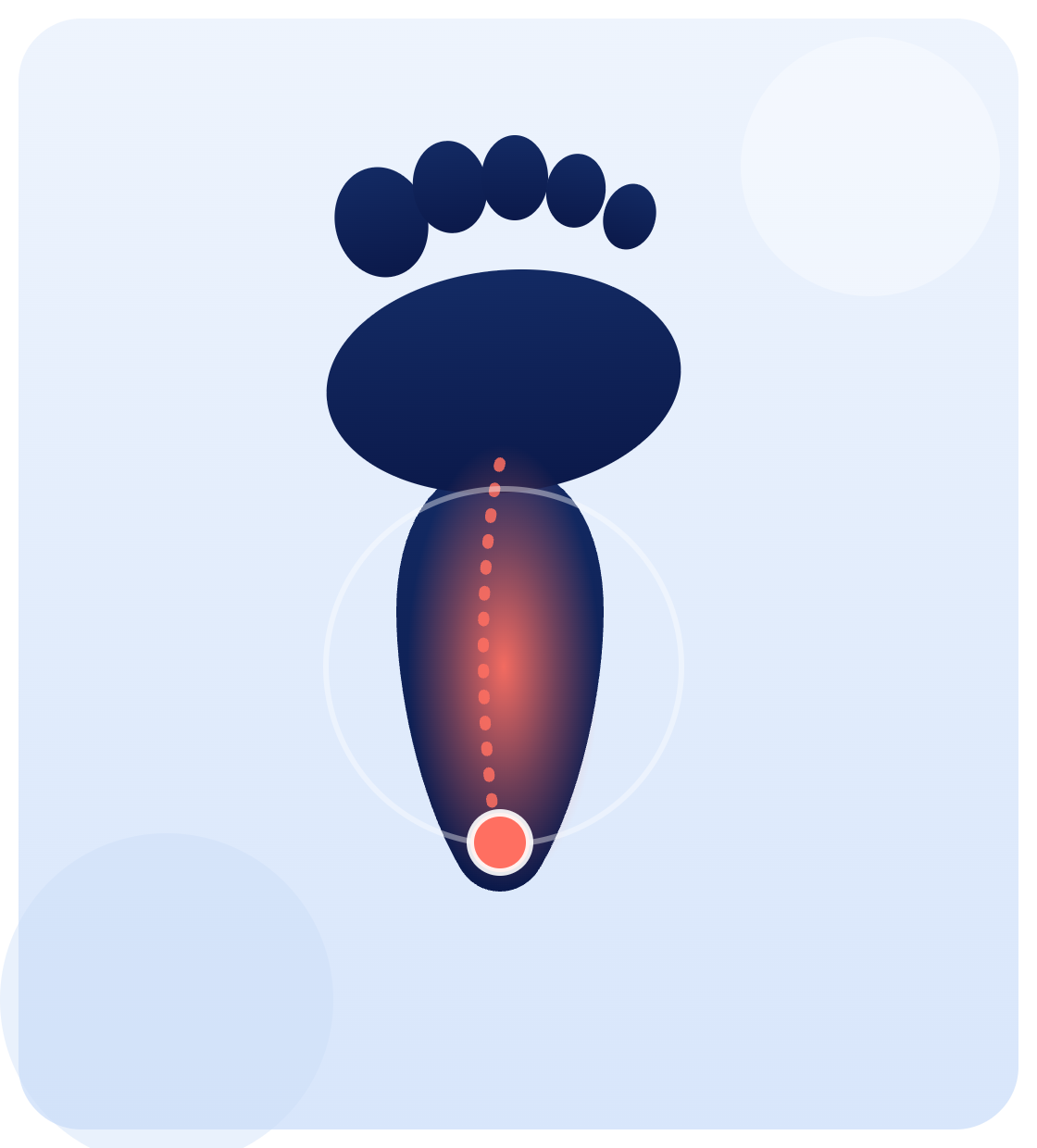
What is plantar fasciitis?
Plantar fasciitis is inflammation of the plantar fascia — the band of tissue that connects your heel to your toes and supports your arch. Too much stress can cause tiny tears and inflammation. It is common in runners, but also affects people who are on their feet a lot or carry extra weight.
Symptoms to watch for
The classic sign is a sharp pain at the bottom of the foot that is worst with your first steps in the morning or after sitting, then eases as you move. It may flare up after — not during — activity. Left untreated, the pain tends to become more intense and last longer.
How Dr. Barber treats plantar fasciitis
Most cases respond well to conservative care and improve within a few weeks to a few months. Dr. Barber builds a plan around you that may include:
- Targeted stretching exercises
- Custom orthotics & arch supports
- Supportive, well-fitting footwear
- Over-the-counter pain relief
- Lower-impact activity like swimming or cycling
- Steroid injections for stubborn cases
Related conditions we treat
Heel Pain
Plantar fasciitis is the most common cause — but heel pain has many possible sources.
Minimally Invasive Surgery
Small-incision options for the rare cases that need more than conservative care.
FREQUENTLY ASKED QUESTIONS
Plantar fasciitis questions, answered
How long does plantar fasciitis take to heal?
Will I need surgery for plantar fasciitis?
Why does it hurt most in the morning?
What can I do at home?
WHAT PATIENTS SAY
Trusted by patients across Denton County
“Dr. Barber is patient, kind, and very professional. He has definitely improved my quality of life by taking care of the pain in my feet. I highly recommend him.”
Verified patient review
Healthgrades
“The best experience I have ever had at any healthcare facility. Dr. Barber is knowledgeable, transparent, and super personal — I could not recommend him enough!”
Verified patient review
Yelp
“He showed deep concern for his patients’ wellbeing and spent more than the necessary time to fully discuss and disclose the path forward. Highly recommend.”
Verified patient review
Nextdoor
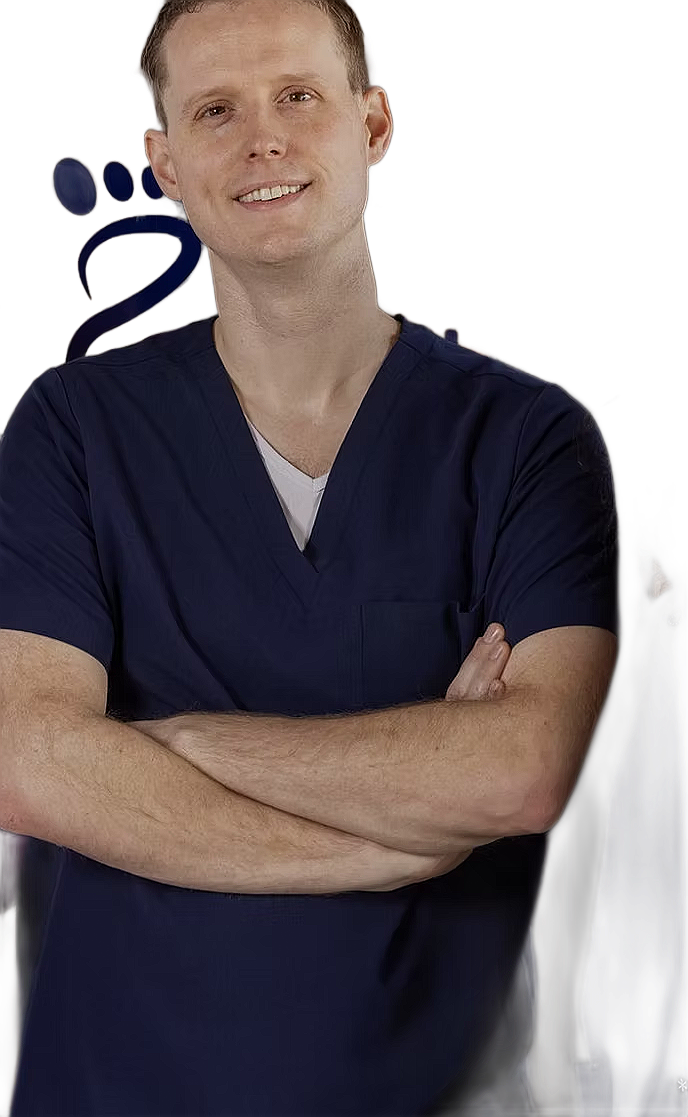
Dr. David J. Barber, DPM
Board-certified podiatrist (American Board of Podiatric Medicine). He treats plantar fasciitis and heel pain with conservative, evidence-based care first — from stretching and orthotics to advanced options when needed.
Book an appointment →Ready to get relief from heel pain?
Get a clear diagnosis and a plan built around you. Call or book your appointment today.