
SERVICES · BUNION TREATMENT
Bunion treatment in Denton, TX
A bunion is that bony bump at the base of the big toe that can make shoes uncomfortable and walking painful. Denton podiatrist Dr. David J. Barber, DPM offers both conservative care and minimally invasive surgery — so you can choose the right path for your feet.
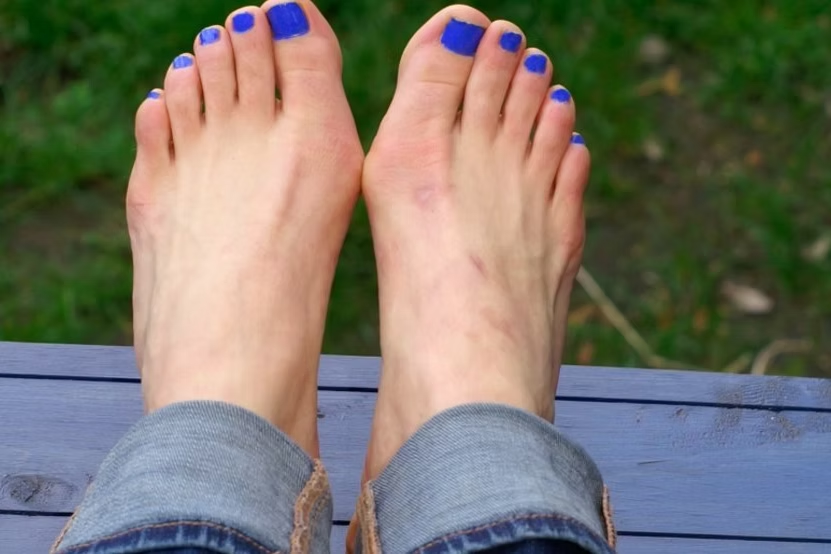
What is a bunion?
A bunion (hallux valgus) forms when the big toe joint shifts out of alignment, pushing the tip of the toe toward the smaller toes and forcing the joint outward into a bony bump. Bunions develop gradually and can be caused by foot structure, tight footwear, or inherited tendencies. Over time they may grow larger and more painful.
Symptoms to watch for
You may notice a visible bump on the side of the big toe, swelling or redness, soreness that worsens in tight shoes, and stiffness in the joint. Corns or calluses can form where the toes rub together. If the bump is making everyday footwear painful, it is worth an evaluation.
How Dr. Barber treats bunions
Treatment always starts with the least invasive option that will give you relief. Conservative care may include:
- Roomier, supportive footwear
- Custom orthotics to rebalance pressure
- Padding and taping to reduce friction
- Anti-inflammatory measures for flare-ups
Minimally invasive bunion surgery
When a bunion keeps causing pain despite conservative care, Dr. Barber offers minimally invasive surgery through a very small incision — roughly 2 cm — to realign the joint. Compared with traditional open surgery, this approach typically means less scarring, less post-operative discomfort, and a smoother recovery. Dr. Barber will walk you through whether you are a good candidate.
Related conditions we treat
Minimally Invasive Surgery
Small-incision techniques for faster, more comfortable recovery.
FREQUENTLY ASKED QUESTIONS
Bunion questions, answered
Do bunions always need surgery?
What is minimally invasive bunion surgery?
Will a bunion get worse over time?
How long is recovery after bunion surgery?
WHAT PATIENTS SAY
Trusted by patients across Denton County
“Dr. Barber is patient, kind, and very professional. He has definitely improved my quality of life by taking care of the pain in my feet. I highly recommend him.”
Verified patient review
Healthgrades
“The best experience I have ever had at any healthcare facility. Dr. Barber is knowledgeable, transparent, and super personal — I could not recommend him enough!”
Verified patient review
Yelp
“He showed deep concern for his patients’ wellbeing and spent more than the necessary time to fully discuss and disclose the path forward. Highly recommend.”
Verified patient review
Nextdoor
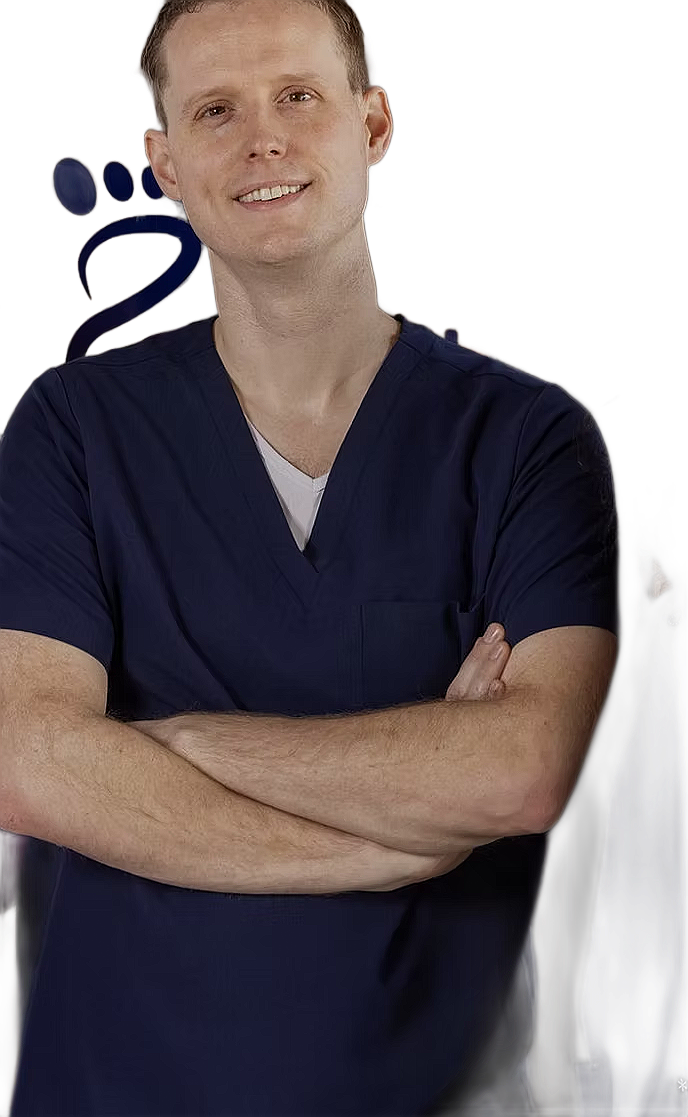
Dr. David J. Barber, DPM
Board-certified podiatrist (American Board of Podiatric Medicine). He offers both traditional and minimally invasive bunion correction, matched to your foot, activity level, and goals.
Book an appointment →Tired of painful bunions?
Find out which treatment is right for you — from simple changes to minimally invasive surgery. Call or book today.