
SERVICES · BOTOX FOR MUSCLE SPASM
Botox for foot & leg muscle spasms in Denton, TX
For patients living with lower-limb spasticity, Botox can bring real relief. Denton podiatrist Dr. David J. Barber, DPM has treated many patients with difficult muscle spasms and contractures from strokes and neurological conditions — helping them move and stand more comfortably.
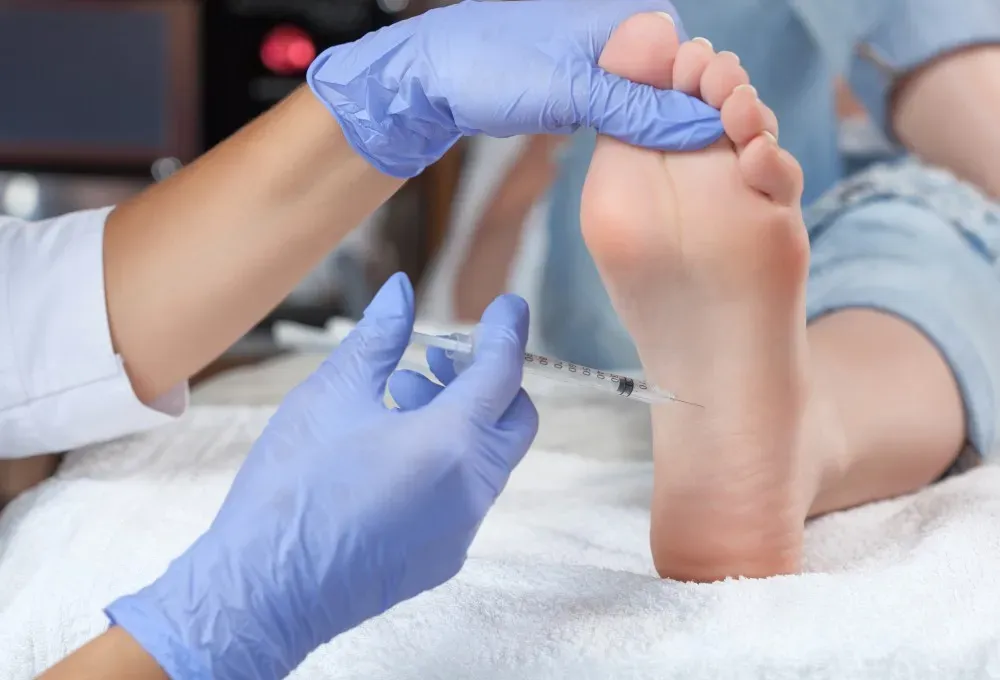
What is lower-extremity spasticity?
Spasticity is a condition of uncontrollable changes in muscle tissue — muscles tighten or stiffen without a clear cause and stay contracted. In the lower legs, ankles, and feet, this can make it hard to walk, run, or move normally. It’s believed to result from disruption or damage to the areas of the spinal cord and brain that control muscle movement, and it’s common after strokes and with certain neurological disorders.
Signs and symptoms
Spasticity can show up in several ways, including:
- Muscle spasms and uncontrollable contractions
- Muscle fatigue and stiffness
- Muscle pain
- Deformities in muscles and joints
- Abnormal muscle growth
Left untreated, spasticity can lead to frozen joints, pressure sores, and broader health problems — so it’s worth addressing early.
How Botox treats muscle spasms
Botox works by blocking the chemical messages between nerves and muscle fibers, which prevents the muscle from fully contracting. Injected into the affected lower-leg muscles, it typically reduces spasms within about five days. Dr. Barber may pair it with serial casting or physical therapy for the best result. Relief generally lasts around three months, after which the treatment can be repeated as needed.
Compassionate, experienced care
Managing spasticity takes experience and a careful, individualized plan. Dr. Barber has helped many patients with challenging spasticity issues regain comfort and function, and he’ll walk you (or your loved one) through exactly what to expect.
Related care
FREQUENTLY ASKED QUESTIONS
Botox for spasticity — questions
Who is Botox for spasticity right for?
How quickly does it work, and how long does it last?
Is Botox used alone?
Is the treatment painful?
WHAT PATIENTS SAY
Trusted by patients across Denton County
“Dr. Barber is patient, kind, and very professional. He has definitely improved my quality of life by taking care of the pain in my feet. I highly recommend him.”
Verified patient review
Healthgrades
“The best experience I have ever had at any healthcare facility. Dr. Barber is knowledgeable, transparent, and super personal — I could not recommend him enough!”
Verified patient review
Yelp
“He showed deep concern for his patients’ wellbeing and spent more than the necessary time to fully discuss and disclose the path forward. Highly recommend.”
Verified patient review
Nextdoor
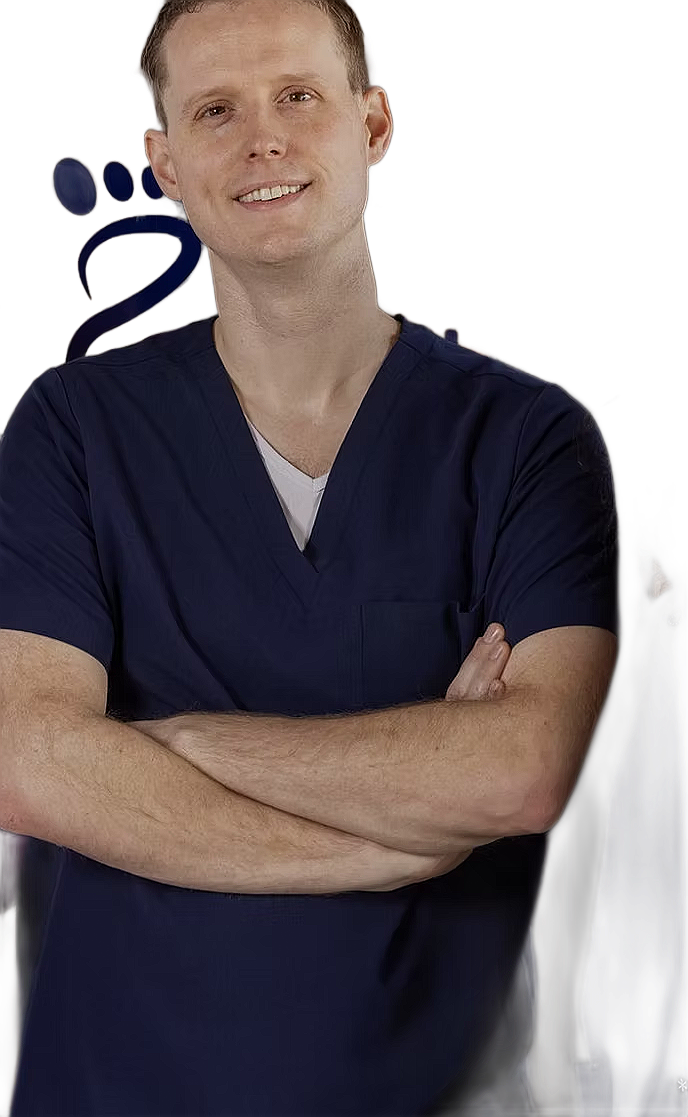
Dr. David J. Barber, DPM
Board-certified podiatrist (American Board of Podiatric Medicine). He offers Botox therapy for select foot and ankle conditions as part of a personalized treatment plan.
Book an appointment →Struggling with foot or leg muscle spasms?
Find out whether Botox can help you or your loved one move more comfortably. Call or book an appointment today.