
MOBILE WOUND CARE · DIABETIC WOUNDS & ULCERS
Diabetic wound & ulcer care — at home in Denton & Cooke County
Diabetic foot ulcers need prompt, expert care to heal and to avoid serious complications. Dr. David J. Barber, DPM brings advanced wound care to your home across Denton and Cooke County — ideal for patients who are unable to travel to a clinic.

What is a diabetic foot ulcer?
A diabetic foot ulcer is an open wound — a break in the skin that exposes the deeper layers — most often on the bottom of the foot. Diabetes can cause nerve damage and poor circulation, so wounds heal slowly and may go unnoticed until they become serious. Caught and treated early, most ulcers heal well.
Up to 1 in 4 people with diabetes will develop a foot ulcer in their lifetime. Prompt, specialized care greatly lowers the risk of infection and amputation.
Who's at risk — and the warning signs
Higher-risk factors
- Nerve damage (neuropathy) or numbness
- Poor circulation in the legs and feet
- Insulin use or long-standing diabetes
- Diabetes-related kidney, eye, or heart disease
- Being overweight, or tobacco & alcohol use
Warning signs to watch for
- Drainage or staining on your socks
- Redness, swelling, or warmth
- A sore, blister, or callus that will not heal
- Foul odor from the wound
- Pain, or numbness that hides an injury
IN-HOME TREATMENT
How we treat diabetic ulcers — in your home
Dr. Barber trained in surgical wound care and limb preservation under some of the country’s top specialists, and he brings an outpatient wound clinic to you. Care includes ongoing weekly physician visits, with a wound-care nurse checking and re-dressing the wound about three times a week — so healing stays on track.
What we bring to you
- Portable X-ray to rule out bone infection
- On-site vascular testing (blood-flow & oxygen)
- Gentle, pain-free ultrasound debridement
- Topical oxygen for the most stubborn wounds
- Offloading & specialized dressings
- Weekly physician visits + regular nurse care
Preventing diabetic foot ulcers
Simple daily habits go a long way. Dr. Barber can also review your feet regularly to catch problems early.
- Inspect your feet every day for cuts or redness
- Wash and dry your feet thoroughly, daily
- Trim toenails carefully — not too short
- Change into clean, dry socks frequently
- Wear well-fitting shoes; avoid going barefoot
- Keep skin moisturized to prevent cracking
- Have blood flow checked if circulation is poor
- Get regular professional diabetic foot exams
FREQUENTLY ASKED QUESTIONS
Diabetic wound care questions, answered
Do you accept insurance for mobile wound care?
How quickly can a diabetic foot ulcer heal?
Why is a diabetic foot ulcer so serious?
Do I still need my home health nurse?
What areas do you serve?
WHAT PATIENTS SAY
Trusted by patients across Denton County
“Dr. Barber is patient, kind, and very professional. He has definitely improved my quality of life by taking care of the pain in my feet. I highly recommend him.”
Verified patient review
Healthgrades
“The best experience I have ever had at any healthcare facility. Dr. Barber is knowledgeable, transparent, and super personal — I could not recommend him enough!”
Verified patient review
Yelp
“He showed deep concern for his patients’ wellbeing and spent more than the necessary time to fully discuss and disclose the path forward. Highly recommend.”
Verified patient review
Nextdoor
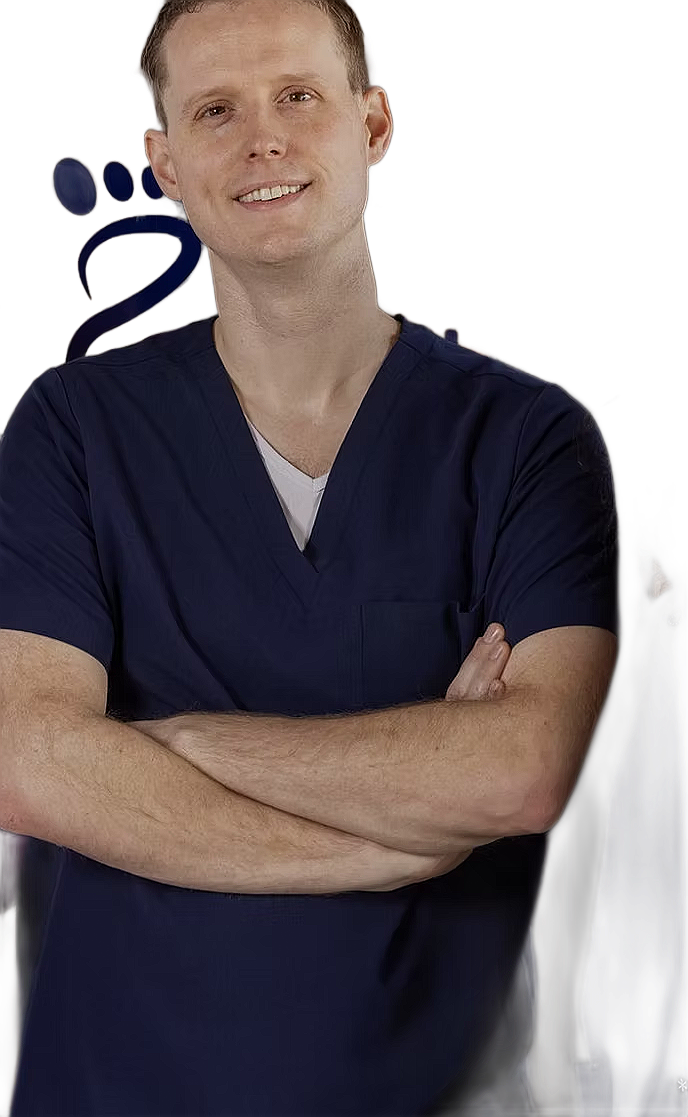
Dr. David J. Barber, DPM
Board-certified podiatrist (American Board of Podiatric Medicine). He specializes in diabetic foot wound and ulcer care, with a focus on healing and limb preservation.
Book an appointment →Expert diabetic wound care, brought to your home
Don’t wait on a wound that won’t heal. Call to find out if in-home care is right for you or your loved one.