
SERVICES · BONE SPURS
Bone spur treatment in Denton, TX
Bone spurs are smooth, bony growths that form on the edges of bones — often in the heel or around a joint. Many cause no symptoms at all, but when they press on nearby tissue they can be painful. Denton podiatrist Dr. David J. Barber, DPM helps you understand what’s really going on and treats only what needs treating.
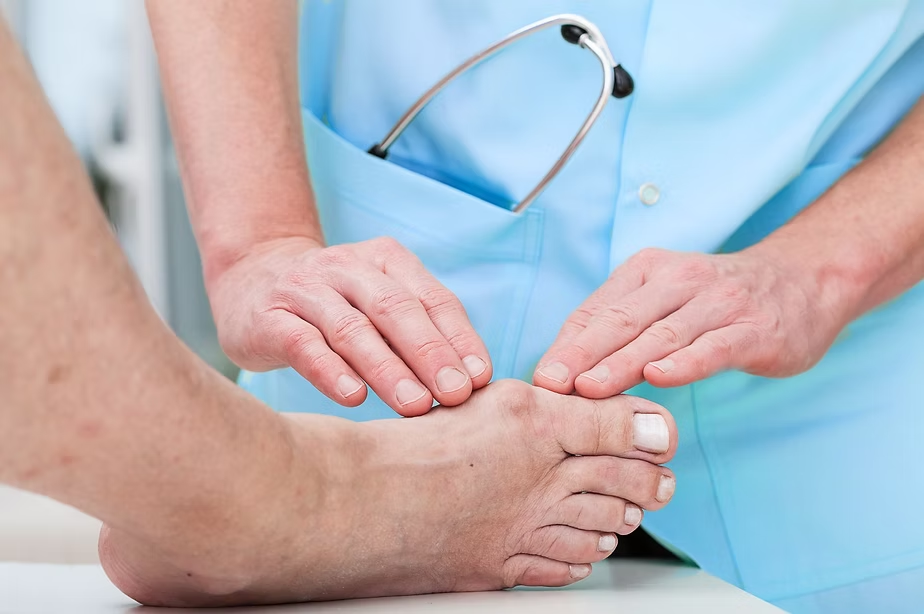
What is a bone spur?
A bone spur (osteophyte) is an extra growth of bone that develops where bones meet or where ligaments and tendons attach — commonly on the heel. They often form in response to long-term stress, pressure, or conditions like arthritis. Many bone spurs are discovered by accident on an X-ray and never cause a problem.
When bone spurs cause symptoms
A spur becomes an issue when it rubs against or presses on nearby nerves, tendons, or soft tissue. That can lead to localized pain, tenderness, swelling, or a reduced range of motion in the joint. Heel spurs in particular are often linked with plantar fasciitis, and the two can occur together.
How Dr. Barber treats bone spurs
The first step is an accurate diagnosis — often the spur itself is not the true source of pain. Dr. Barber takes an education-first approach and starts with conservative care:
- Custom orthotics and cushioning to offload pressure
- Supportive footwear
- Stretching and anti-inflammatory measures
- Treating any related condition, such as plantar fasciitis
Minimally invasive removal
When a bone spur continues to cause pain despite conservative care, Dr. Barber can remove it using a minimally invasive technique — in many cases through an incision small enough to close with a single stitch. That typically means less scarring and a more comfortable recovery than traditional open surgery.
Related conditions we treat
Plantar Fasciitis
Often occurs alongside heel spurs — and is a common true source of the pain.
FREQUENTLY ASKED QUESTIONS
Bone spur questions, answered
Do bone spurs always hurt?
Is the bone spur causing my heel pain?
Can bone spurs be treated without surgery?
What does spur removal involve?
WHAT PATIENTS SAY
Trusted by patients across Denton County
“Dr. Barber is patient, kind, and very professional. He has definitely improved my quality of life by taking care of the pain in my feet. I highly recommend him.”
Verified patient review
Healthgrades
“The best experience I have ever had at any healthcare facility. Dr. Barber is knowledgeable, transparent, and super personal — I could not recommend him enough!”
Verified patient review
Yelp
“He showed deep concern for his patients’ wellbeing and spent more than the necessary time to fully discuss and disclose the path forward. Highly recommend.”
Verified patient review
Nextdoor
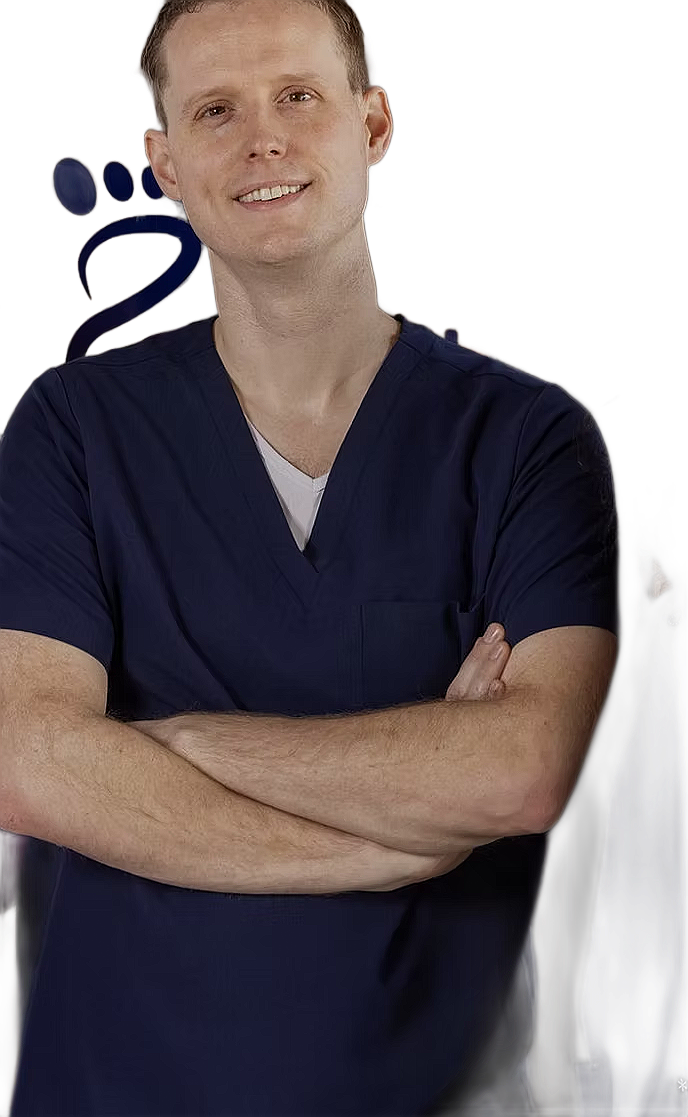
Dr. David J. Barber, DPM
Board-certified podiatrist (American Board of Podiatric Medicine). He treats painful heel and foot bone spurs with proven, conservative-first care.
Book an appointment →Not sure what is causing your foot pain?
Get an accurate diagnosis and a treatment plan that targets the real problem. Call or book today.